Case study: Donovan Group
Updated: 20 hours ago
Donovan Group is a manufacturing business that combines advanced steel manufacturing, proprietary software, and innovative building sytems to transform the construction industry.
It operates a manufacturing site where interaction between people, machinery, mobile plant and vehicles forms part of its daily operations. From a safety perspective, its critical risks include forklifts, overhead gantry cranes, pedestrian interactions and material handling activities. Managing these risks effectively is fundamental to keeping its people safe.
Key results
5-day implementation and comprehensive 2-week onboarding and training
138 events captured in the first 30 days
Unknown risk of speed indentified, immediately addressed and reduced
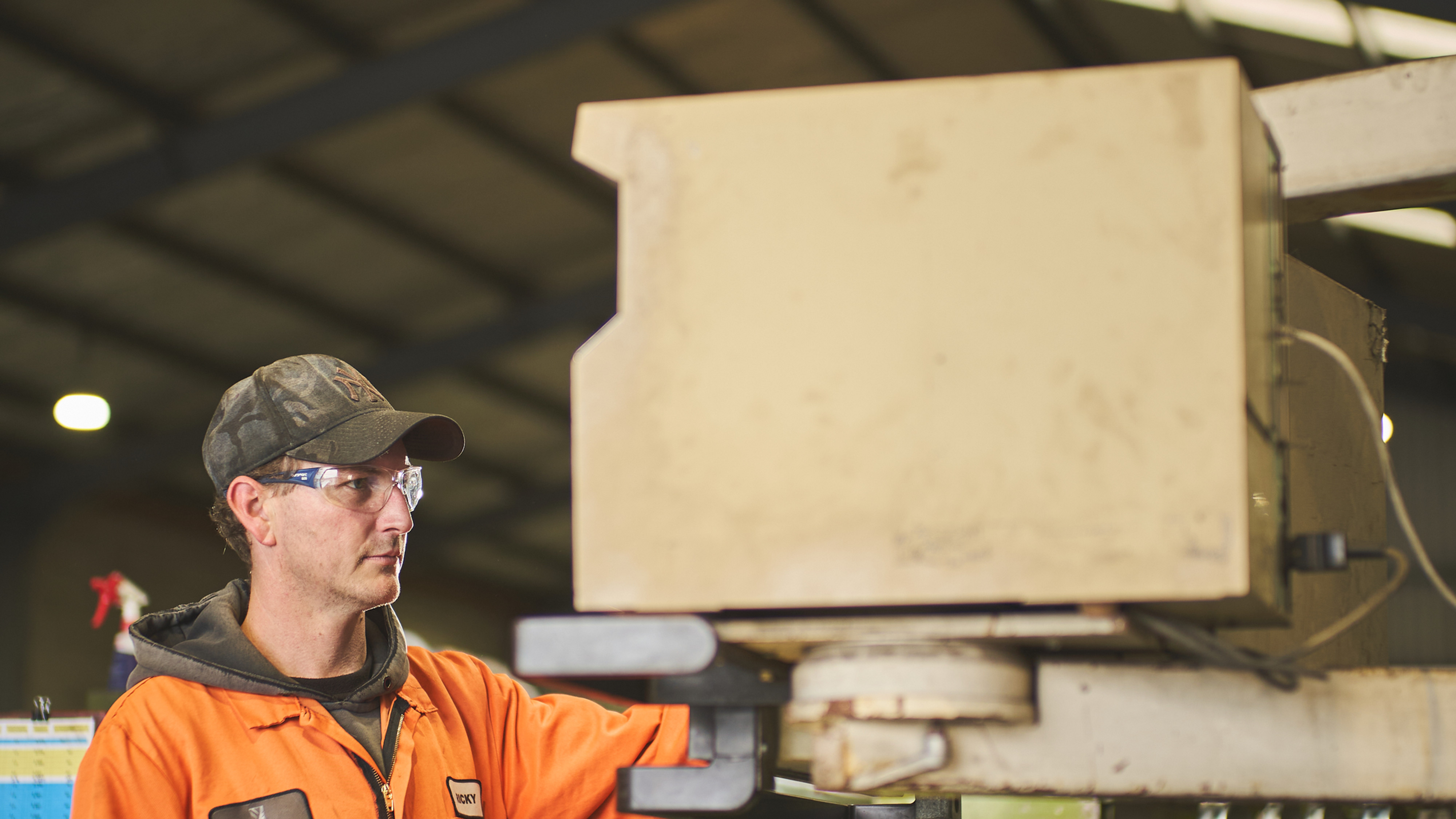
"Like many manufacturing businesses, we already had traffic management plans, exclusion zones, forklift speed limits, incident reporting systems and workplace inspections in place. However, many of these controls are either static or retrospective. They tell us what controls should exists, or they tell us what has already gone wrong. They do not necessarily tell us whether behaviours are drifting, whether complacency is developing or whether our controls are consistently working practice." – Katie Hirst, General Manager – People, Safety & Procurement, Donovan Group
Critical changes needed
Following a serious workplace incident in 2021, Donovan Group undertook a significant review of its health and safety approach. This led to improvements in competency management, machinery safety, critical risk management and leadership accountability. While these initiatives strengthened its systems, the team at Donovan Group continued looking for ways to understand risk better before incidents occurred.
At a broader level, local government health and safety framework places a strong emphasis on identifying and managing workplace risks and ensuring controls remain effective. This reinforced the direction Donovan Group was already taking towards better understanding its critical risks and gaining greater assurance that key controls were working effectively in practice.
Traditionally, much of Donovan Group's safety information came from incidents, near misses and workplace observations. While valuable, these are largely reactive indicators and relied on hazards being observed, reported or resulting in an event. The team wanted objective data that would help them better understand what was actually happening on site every day and provide earlier visibility of emerging risks.
Introducing inviol
In early 2026, Donovan Group was introduced to inviol through industry contacts already using the platform in their operations. After visiting their site and seeing the technology in action, the team recognised its potential to support a shift towards more proactive risk management.
Consultation and planning
Before implementation, the technology was introduced to Donovan Group's Health and Safety Committee. Members were given the opportunity to understand how the system worked, ask questions and provide feedback.
A key discussion point was ensuring the platform would be used as a coaching and learning tool rather than a disciplinary mechanism. Early engagement with worker representatives helped build trust and understanding and ensured there was shared ownership of the initiative from the beginning.
Implementation
The implementation process included assessing camera locations and coverage, connecting the inviol platform to existing cameras, system configuration and testing, user onboarding and training, and establishing review and coaching processes.
The technical implementation was completed over five days, followed by a structured two-week onboarding programme. This ensured leaders, supervisors and safety representatives understood both the system functionality and how the information would be used to support risk management and coaching discussions rather than compliance monitoring alone.
The system was implemented at its manufacturing operation in June 2026 across the main factory, dispatch yard and store areas. These locations were selected because they contain significant interaction between pedestrians, forklifts and other plant.
Coaching and learning
A critical part of the initiative was ensuring the information generated by the platform was used to support learning.
Flagged events are reviewed and selected for coaching discussions and toolbox meetings. The system automatically anonymises individuals through video blurring, allowing conversations to focus on behaviours, controls and risks rather than individuals.
Using the data to drive improvements
Beyond coaching, the data generated by the platform is helping Donovan Group make more informed decisions about risk controls and workplace design.
The system produces trend data and heat maps that identify higher-risk locations, recurring behaviours and areas where existing controls may require improvement. This enables the team to make evidence-based decisions and verify changes are genuinely reducing risk rather than simply shifting it elsewhere.
An additional benefit is the flexibility of the technology. Cameras can be relocated to different areas of the site if incidents occur, injury trends emerge, or concerns are raised about a specific activity. This allows the team to investigate risks using objective data and target improvement efforts where they are most needed.
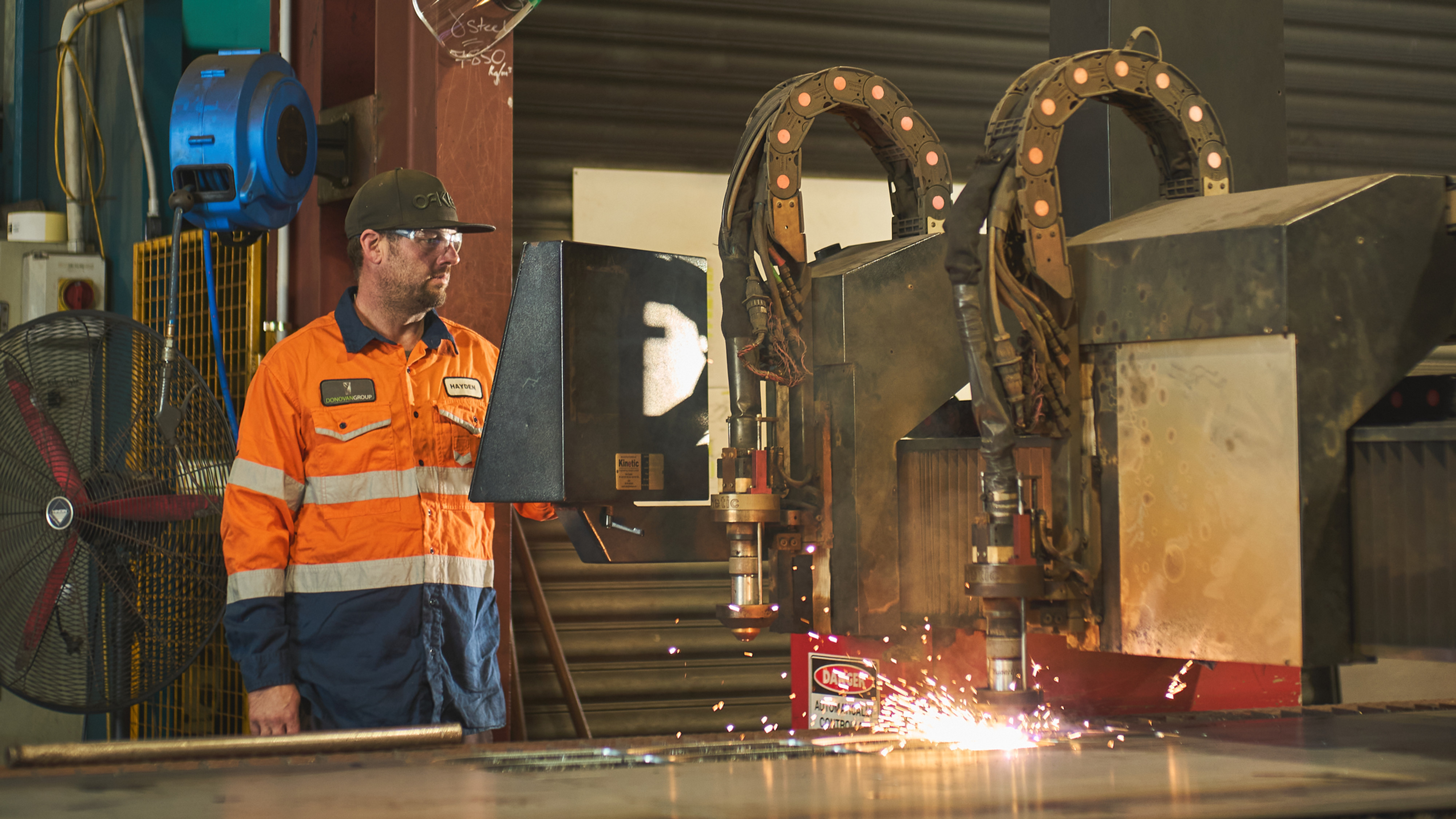
The results
During the first 30 days, inviol identified 138 safety events across the monitored areas. This provided significantly greater visibility of workplace interactions and risk exposures than was previously available through traditional reporting methods.
"Using short video clips from our own workplace transformed safety conversations. Rather than discussing hypothetical situations, teams are now able to review actual workplace interactions and collaboratively discuss what occurred, why it occurred and how similar situations can be managed more effectively in the future. This approach reinforces our coaching-first philosophy and supports open, constructive conversations about safety." – Katie Hirst, General Manager – People, Safety & Procurement, Donovan Group
One of the most valuable outcomes was the identification of risk patterns rather than isolated events.
For example, the data highlighted a significant number of forklift and pedestrian interactions occurring in front of a press area. Through reviewing the video footage, the team was able to understand not only where the interactions were occurring, but why they were occurring. The footage showed that forklift operators were regularly transporting a particular product between production and stores through a busy operation area.
With objective evidence, they were able to move beyond assumptions and identify a practical engineering solution. They have since developed plans to create a direct access route into the stores by opening an alternative pathway through an adjoining wall. This change will remove the majority of forklift traffic from the press area, significantly reducing exposure for both forklift operators and machine operators working in that part of the factory.
Another area where the system provided valuable insight was the dispatch yard, where finished goods are loaded onto trucks for delivery. The team has long recognised this as an area of elevated risk due to the interaction between vehicles, mobile plant, loads, drivers and employees, but identifying practical and effective improvements has been challenging.
The footage is now giving a much clearer understanding of the tasks being performed and the factors contributing to risk exposure. Activities such as securing loads, handling dunnage and restraints, accessing trailers and moving around loaded vehicles all involve human interaction that cannot be entirely eliminated.
This information is helping the team design controls that are practical, effective and aligned with how the work is actually performed. Rather than implementing changes based solely on perceived risk, they now use objective evidence to guide decisions and verify that any future improvements genuinely reduce exposure to harm.
The system also identified forklift speed as a risk factor. inviol is capable of detecting when forklifts exceed the site speed of 5 km/h.
"Prior to implementation, we did not fully appreciate the extent of this risk because there had been no reported incidents associated with excessive speed. Following several early detections, coaching conversations were held with operators and the issue was discussed with teams. Since those conversations, no further speed detections have occurred during the monitoring period. This provided an encouraging early indication of how objective information can support awareness and behaviour change." – Katie Hirst, General Manager – People, Safety & Procurement, Donovan Group
Importantly, the information generated by the platform has become part of wider safety conversations. Observations, trends and learnings are regularly discussed through toolbox meetings, Health and Safety Committee meetings and smaller work groups, ensuring improvement opportunities are shared across the business.
Perhaps the most significant outcome has been the shift from reactive to proactive risk management. Instead of waiting for incidents to occur, Donovan Group now has the ability to identify emerging risks, verify whether critical controls are working and take action before harm occurs. This provides greater confidence that the team's efforts are focused on the risks that matter most and that the improvements Donovan Gorup makes are based on evidence rather than assumptions.
Curious to see how inviol could help drive an average risk reduction of 80% within three months at your organisation? Get in touch today for a free, no-pressure demo with our expert team.


