


SOLUTIONS
AI safety walks
inviol turns safety walks into an always on process. Highlighting everyday operational risks like blocked fire exits, trip hazards, rubbish on the ground and pallets overhanging.
You get the same standard across every site, plus built-in clips you can use to coach and train on what happened.


%201.png)


%201.png)


%202.png)
%201.png)
%201.png)


%201.png)


Why choose inviol

Find and fix root causes of risk every site 24/7.

Identify issues without walking around site. Focus on solving not finding.

One standard across every site with consistent checks and reporting.

Don’t wait for someone to walk past the problem.
What inviol can detect in your warehouse
Every warehouse has its own layout, policies and pressure points. inviol's computer vision AI adapts to your environment and detects the specific risks that matter most on your site. Common detection scenarios include:
Pedestrian-forklift proximity
The most dangerous moments in any warehouse happen when people and machines share space. inviol monitors pedestrian-forklift interactions in real time, flagging near-misses and close calls before they escalate. This is the single biggest source of serious warehouse injuries (and one that traditional reporting almost always misses).
Exclusion zone breaches
Whether it's a charging bay, a high-traffic loading lane or an area with overhead crane activity, inviol detects when someone enters a zone they shouldn't be in and logs the event with video evidence for follow-up coaching.
PPE compliance
Hard hats, high-vis vests, safety footwear. inviol detects missing PPE in defined areas and captures the moment on video (with blurred faces), so coaching conversations are grounded in real situations, rather than assumptions.
Loading and unloading zone activity
Dock areas are consistently high-risk zones due to the mix of reversing vehicles, pedestrians, uneven surfaces and time pressure. inviol monitors these areas continuously and flags unsafe interactions that supervisors would otherwise never see.
Speeding and unsafe vehicle behaviour
A forklift travelling too fast through a blind corner or intersection is one of those risks everyone knows about but nobody sees consistently. inviol tracks vehicle speed across defined zones, giving you data on where and when speeding actually happens (not just where you think it happens).
Manual handling and ergonomic risk
Repeated unsafe lifting practices contribute to musculoskeletal injuries, which remain one of the most common and costly warehouse injury types. inviol can flag manual handling events for review, helping identify patterns before they become chronic issues.


Why safety walks matter (and how AI extends their reach)
Safety walks are one of the most widely recommended practices in workplace health and safety. OSHA, WorkSafe New Zealand, Safe Work Australia and virtually every other safety regulator recommends regular workplace inspections as a core part of hazard identification. The principle is straightforward: get eyes on the work environment, spot hazards before they cause harm, and fix them. It works, and it’s a critical part of any safety programme.
What AI adds is reach. A safety walk captures a point in time; one route, one shift, one set of eyes. AI safety walks extend that same discipline across every monitored zone, around the clock, with the same standard applied every time. An overhanging pallet or a trip hazard that comes and goes between scheduled inspections are moments that now get captured too.
Most warehouses and industrial sites run manual safety walks weekly or monthly, with some higher-risk environments doing daily checks. AI safety walks sit alongside that existing rhythm and fill in the gaps between inspections. Your team still leads the walks, still applies their judgment and still owns the actions. They just have a much more complete picture of what’s actually happening when they do.

We take security seriously
Visit our trust center for more detailed information and our certifications

We’re proud to be SOC2, GDPR and ISO 27001 certified, demonstrating our commitment to the highest standards of data security, privacy, and integrity.
Toolbox coaching blog shotshort
summary....

Security built in
We've engineered every component with advanced safeguards and continuous monitoring, ensuring your data remains protected.
Toolbox coaching blog shotshort
summary....

Identity protection
Being GDPR compliant, our platform offers optional facial blurring, giving you greater control over personal data and visual anonymity.
Toolbox coaching blog shotshort
summary....
We take security seriously
SOC 2 Type II Certified
We’re proud to be SOC 2 compliant, demonstrating our commitment to the highest standards of data security, privacy, and operational integrity.
Security built in
We've engineered every component with advanced safeguards and continuous monitoring, ensuring your data remains protected.
Identity protection
Being GDPR compliant, our platform offers optional facial blurring, giving you greater control over personal data and visual anonymity.
.png)
What inviol safety walks detect
inviol’s AI safety walks use your existing CCTV cameras to continuously monitor for the kinds of environmental and housekeeping hazards that traditional walks are designed to catch. The difference is that the monitoring runs around the clock, across key cameras, with the same standards applied every time.
Hand washing
Monitors hygiene checkpoints in food and beverage operations to support compliance with food safety standards.
Machine exclusion zone
Dynamic detection zones that adapt based on what machinery is doing, flagging when people enter areas where active equipment creates risk.
Housekeeping and storage issues
Pallets overhanging racking, stock stacked unsafely, items left in walkways or traffic lanes. These are the slow-creeping hazards that often get caught only when someone specifically looks for them.
PPE compliance
Hard hats, high vis vests, safety footwear. inviol detects missing PPE in defined areas and captures the moment on video, so coaching conversations are grounded in real footage, rather than assumptions.
Trip and slip hazards
Objects on the floor, spills, debris in walkways and aisles. These are among the most common causes of workplace injury and among the hardest to catch consistently with manual walks.
Blocked fire exits and emergency routes
A pallet left in front of a fire exit for twenty minutes is a serious compliance risk, but it’s the kind of thing that can come and go without anyone logging it. inviol flags these obstructions with timestamped video clips.


%20(1)%20(1)_gif.gif)
Introducing invi
Your health and safety side-kick. invi is your very own AI agent who learns about your sites, trucks, risk profile and intelligently manages your safety events in real-time. Making sure you see the right stuff!
High risk

Low risk


Wooooah! This is a High Risk event! Drivers should be in the safe zone.

The driver is a safe distance from the forklift but can still see how it's getting loaded - nice!
How it works

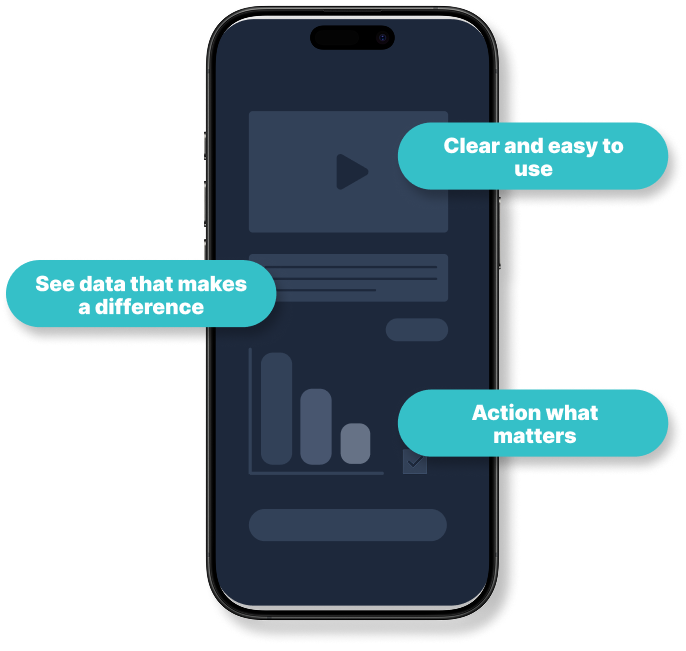

AI device & camera installed on a truck or in a warehouse

Custom H&S policies configured

Camera monitored 24/7 in real time

AI identifies policy breaches

Notifications sent to appropriate people

Coach and train the team in our platform

Track and analyse all the data with our detailed reporting

AI device & camera installed on a truck or in a warehouse
Custom H&S policies configured

Camera monitored 24/7 in real time
AI identifies policy breaches
Notifications sent to appropriate people
Coach and train the team in our platform
Track and analyse all the data with our detailed reporting
How it works
What customers say
about inviol
“The kicker, it reduced our Health & Safety risk by 60% in just two months!”
Graham Nelson — Head of Continuous Improvement
.png)
“inviol has changed the H&S conversation. I don't know how I'd do my job without it”
Sajal Saha — Health, Safety & Environment Advisor

“80% reduction of risk that involves vehicles & plant machinery on site.”
Tracey Crookston — Branch Manager, New Lynn

“It's a system that
helps us understand
what good looks like”
Rex Middelbeek — GM Safety & Wellbeing


How it works
inviol connects to your existing CCTV cameras and applies computer vision AI to continuously scan for environmental hazards across your site. There’s no need for additional hardware, sensors or cameras. The AI processing runs on-site via a small hardware unit and 99% of your footage data stays on premises.
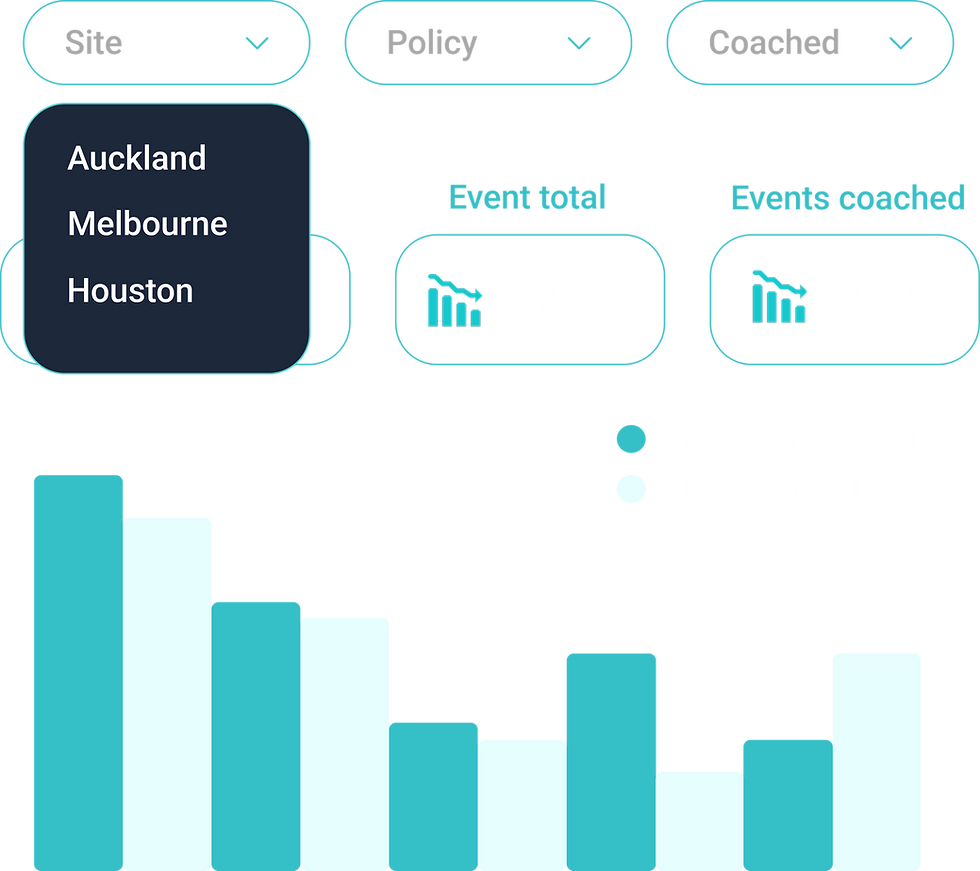
When the system detects a hazard (a blocked exit, a trip risk, PPE non-compliance), it logs the event with a short video clip, a timestamp and a risk classification. These events flow into your inviol dashboard, where site managers can review them and assign a coaching conversation or toolbox discussion.
The practical difference from a manual walk is coverage and consistency. A traditional walk might cover a site once a week. inviol covers every monitored zone on every shift, every day. That means you catch the Saturday night trip hazard, the early morning blocked exit and the Tuesday afternoon PPE gap that nobody would otherwise have seen.
It also means you get data. Over time, you can see which zones generate the most housekeeping events, which shifts have the highest rate of PPE non-compliance and where your layout or processes might need adjusting. That kind of trend data is almost impossible to build from in-person based walk records alone.
AI safety walks don’t replace human judgment. Your team still needs to assess context, prioritise actions and coach people. What changes is that they spend their time solving problems instead of finding them.


