
Case study · Univertical · Angola, Indiana
Turning existing cameras into a coaching tool in America's heartland
Univertical is a copper manufacturer in Angola, Indiana, producing copper anodes and the high-purity chemicals used in electroplating. The plant runs around the clock, with hazardous materials, moving machinery and people sharing the floor at every shift. When EHS Manager Steve Hulbert went looking for a way to get ahead of incidents rather than review them afterward, he found inviol: AI software that works with the CCTV a site already has to surface risk and turn it into coaching conversations.
The challenge
Daily safety walks, toolbox talks and CCTV reviews after an incident were all in place. They were also mostly reactive.
What they did
They created a leadership training opportunity out of inviol's coaching workflow, helping to integrate safety and management skills through the team.
The result
Within six weeks of going live, overall site risk was down by around 50%.
“I really like the idea of just utilizing our security cameras that we already have in place to be proactive. To try to get out in front of the accidents. I was tired of looking at video footage of people getting hit or people getting hurt.”
Eighteen years on the plant floor
Steve has been at Univertical for around 18 years. He started in the laboratory, and when the business moved into semiconductors he designed the new lab, bought and qualified the equipment and got it running. From there he moved into production management in the chemical plant, where he built a reputation for backing his people, championing causes and lifting the standard of training.
When a new plant manager, Rodolfo Rubio, arrived and wanted to rebuild the site's culture around safety, he asked Steve to become EHS manager. Steve had no formal safety background, so he taught himself through conferences, webinars and a lot of reading. He believes coming from the floor was the reason it worked.
“We're a very hands-on, go-at-it kind of place. Everybody is responsible for everything. If you'd brought somebody in from the outside, I think everybody would have been like, 'get away from us'. Because I had a lot of that floor experience and knew everybody here, it made the safety part of it flow a lot quicker and a lot more easily.”
Finding the risk patterns
Steve's first move as EHS manager was to go back through two to three years of incident logs, near misses and recordables. A pattern jumped out right away.
A good share of those incidents were ergonomic, so Steve started there, scoring around 160 ergonomic assessments in a year and a half. But the business was growing fast, the engineering team was stretched, and the safety program still leaned heavily on one person walking the floor. Daily safety walks, toolbox talks and CCTV reviews after an incident were all in place. They were also mostly reactive.
Nights and weekends were the biggest blind spot. With a skeleton crew and minimal supervision, Steve describes those shifts as "a little bit of the Wild West." He also knew that even the most experienced eyes miss things when they see the same floor every day.
“If I can take the human judgment side out of what we're looking at, or how we're scoring it, or how we're observing it, the value is at least tenfold.”
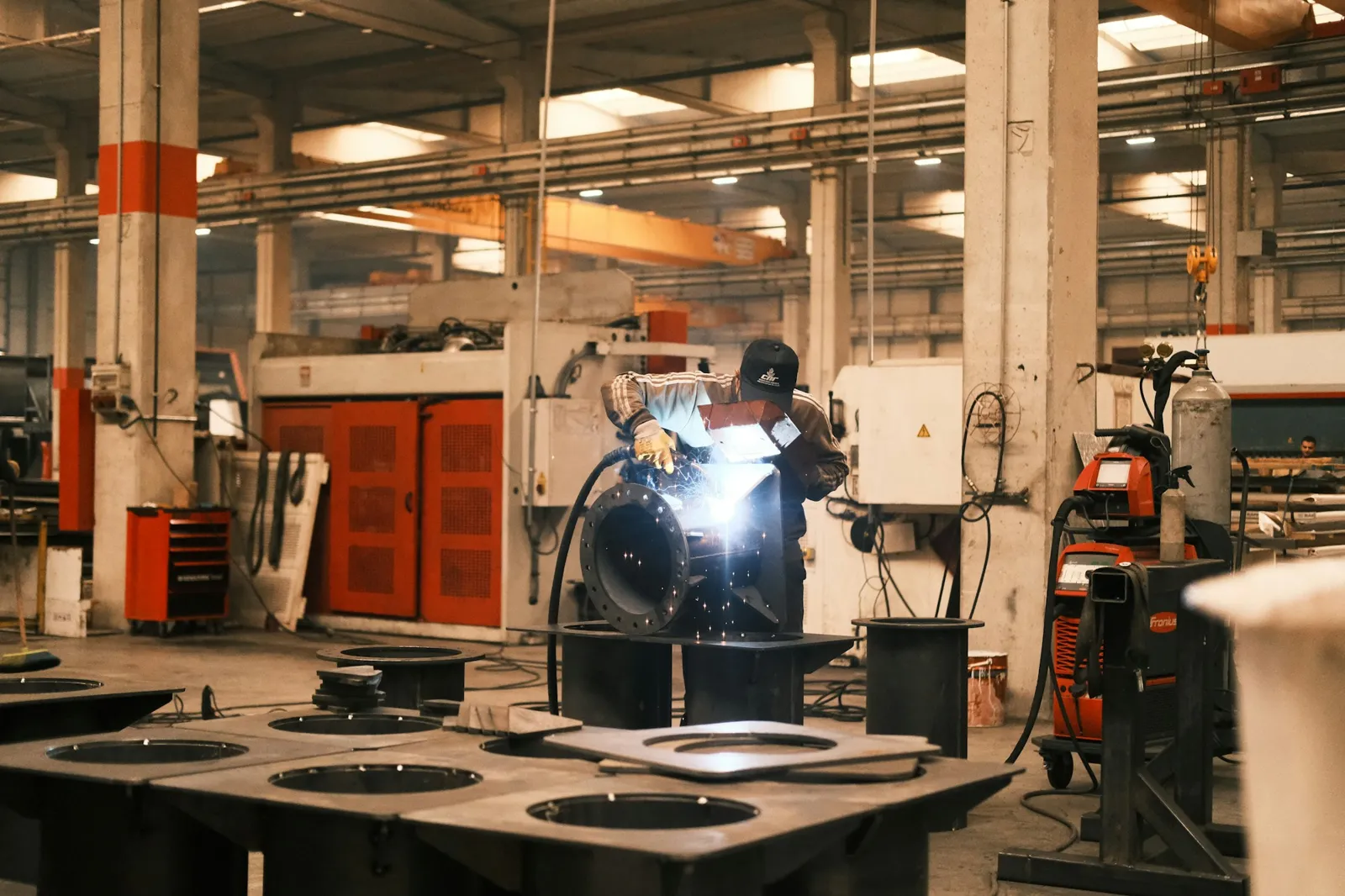
“We deal with copper, so copper is heavy, copper is hot, and copper is sharp. Almost all of our injuries occur with one of those three things.”
Implementing inviol
Steve met our Head of Growth, Matt Langston, at a safety conference and came away convinced. Upper management was more cautious. They worried about how people would react to AI and cameras, and Steve had to back the idea hard to get it over the line. What helped was that the pilot ran on cameras Univertical already owned, at a low enough cost that it felt like a sensible first step.
The technical side was quick. It took nine days from the on-site device coming online to calibrated cameras, and Steve's feedback was that onboarding asked very little of him. The people side took more thought.
Like many US manufacturers, Univertical tends to promote its best operators into supervisor roles, and coaching is not always a skill that comes with the promotion. Rather than emailing clips to supervisors and hoping for the best, Steve rebuilt the safety committee as a leadership development group for operators, supervisors, junior engineers and maintenance staff with potential. The committee reviews inviol footage together, Steve coaches them in the room, and committee members then take those conversations out to the floor.
“That way it's not 'Steve's' message. This is Univertical's message. This isn't just the safety guy. This is an engineer, or another operator, or a supervisor from a different department. Making sure there's no blame in anything that we talk about, and just talking about opportunities for improvement.”
As supervisors show they can lead those coaching conversations, they rotate into the committee and coach the next group. Steve sees it as a cycle, with inviol as the coaching tool at the center.
“Because it was so reasonably priced, everybody was like, well, what can we lose? If we want to pull the plug after three months, we're not out anything.”
Seeing what nobody could see
The first big win came within weeks. inviol's heat map showed one spot in the shipping department lighting up more than anywhere else in the plant. Steve took upper management out to stand there and watch.
In eight minutes, the same interaction happened four times: a fork truck reversing to within about three feet of someone working at a desk with their back to the traffic. When Steve asked what they had seen, they said nothing. Everything looked normal. Then he showed them the heat map.
“I would have said the same thing, too. I live out here and I didn't notice it either. I told them, I've done the math. Even if this is just a one in a million chance, somebody here is going to get crushed in about three and a half years.”
A project to rearrange the shipping department started right away. Within six weeks of going live, overall site risk was down by around 50%, and high-risk fork truck and pedestrian events had fallen from two to four a day to zero over a week in September.
The heat maps have also changed how Steve thinks about risk. Some patterns come down to how a process has been laid out over the years rather than any one person's choices. Those become conversations with engineering and facilities rather than coaching moments. On nights and weekends, inviol has flagged the kind of behavior that creeps in when nobody is around.
Above all, people now know that what happens on the floor gets noticed, and that what follows is a conversation about doing it better.
“We're not using any sort of pain in our safety program. There are no consequences, only opportunities to open up discussions. Just the idea that people know, if they do something, it's probably going to come across in one of Steve's reports and we're going to hear about it. That's enough.”
Winning over a cowboy culture
Steve was worried about how AI cameras would land with his team. Indiana is, in his words, a conservative part of the country where regulation is not well tolerated. In practice, the anxiety faded quickly once people saw that nobody was being punished for what the cameras picked up.
“We're more of a cowboy, let-us-take-care-of-ourselves type of place. It should have been very hard for us to get this integrated into our culture. And it hasn't been. It's all about how the story is told.”
Keeping the gains
Next, Steve wants to bring inviol into the ergonomics program. Univertical can buy new equipment and redesign processes, but the improvement only lasts if people keep working the safer way.
“Most progress in most facilities goes up and then it slowly degrades over time as people stop paying attention. And so now I have a paying attention tool, all of the time. Once we reach a height, I expect inviol is going to help us maintain it and keep it.”